AI Is Incredible. But Don't Trust the First Draft.
By Tom Reidy
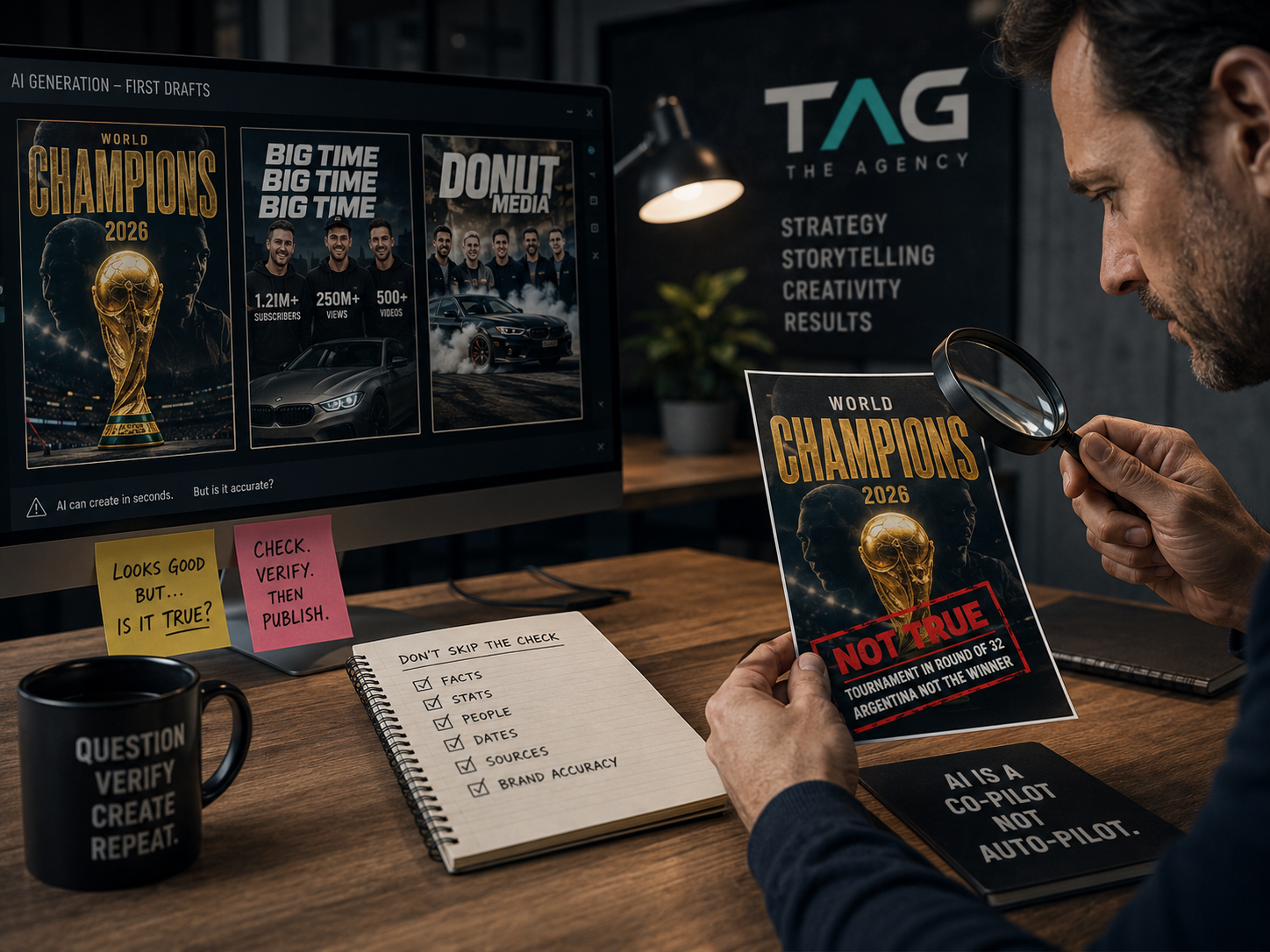
Key takeaways
- AI excels at generating visually stunning drafts quickly.
- AI content can look polished but be factually incorrect.
- Always verify AI-generated information for accuracy.
- Blindly trusting AI drafts risks spreading misinformation.
- AI's creative outputs sometimes lack originality.
Over the past few days I've been experimenting with AI-generated promotional posters and infographics. Visually, they've been remarkable. Within seconds they produced polished layouts that would have taken hours to design manually.
Then I started looking closer.
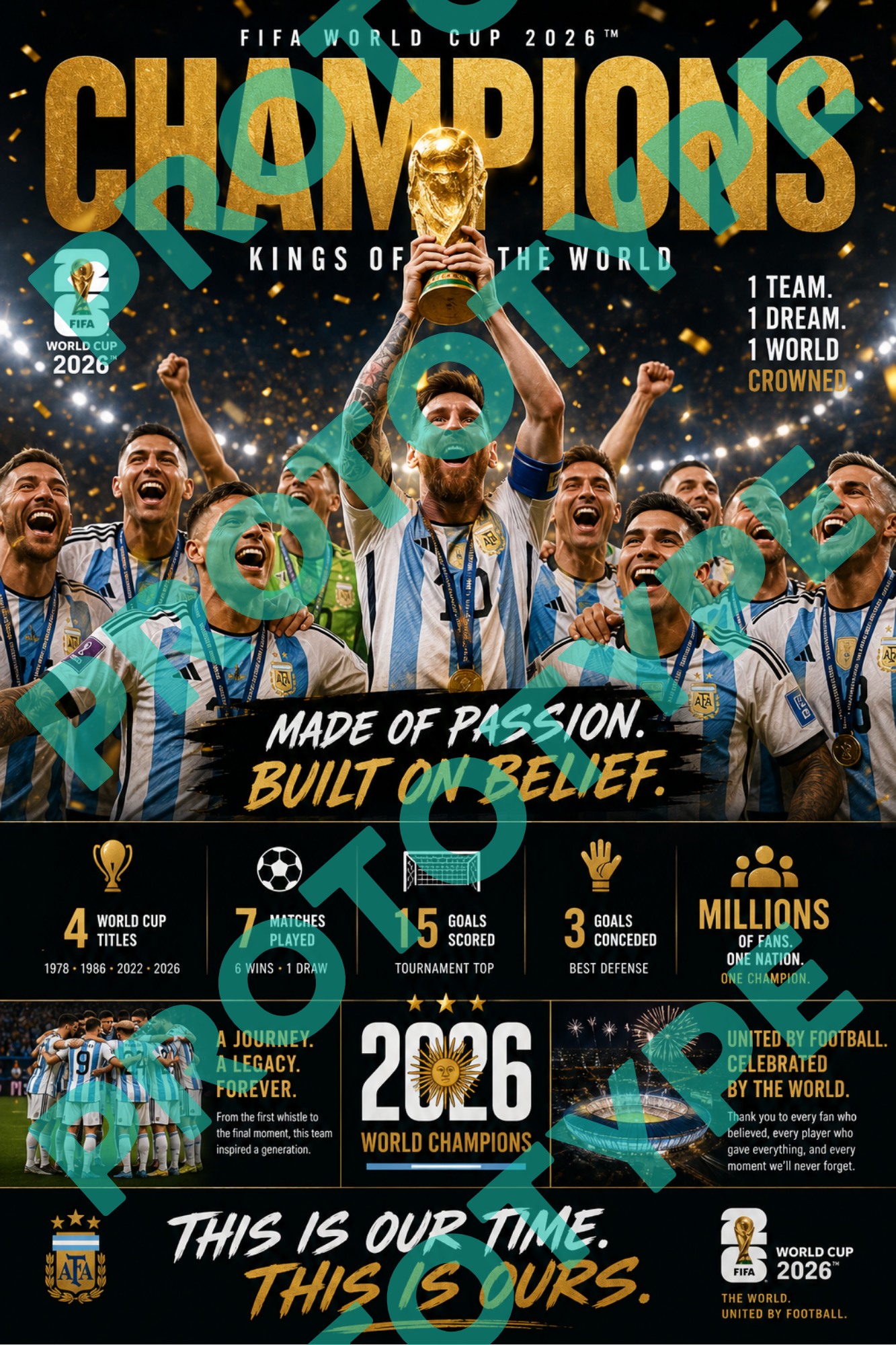
I asked AI to create a celebratory poster for the winner of the 2026 FIFA World Cup. It confidently produced an incredible-looking poster of Argentina lifting the trophy. There was just one problem. At the time of writing, the tournament is only at the Round of 32...
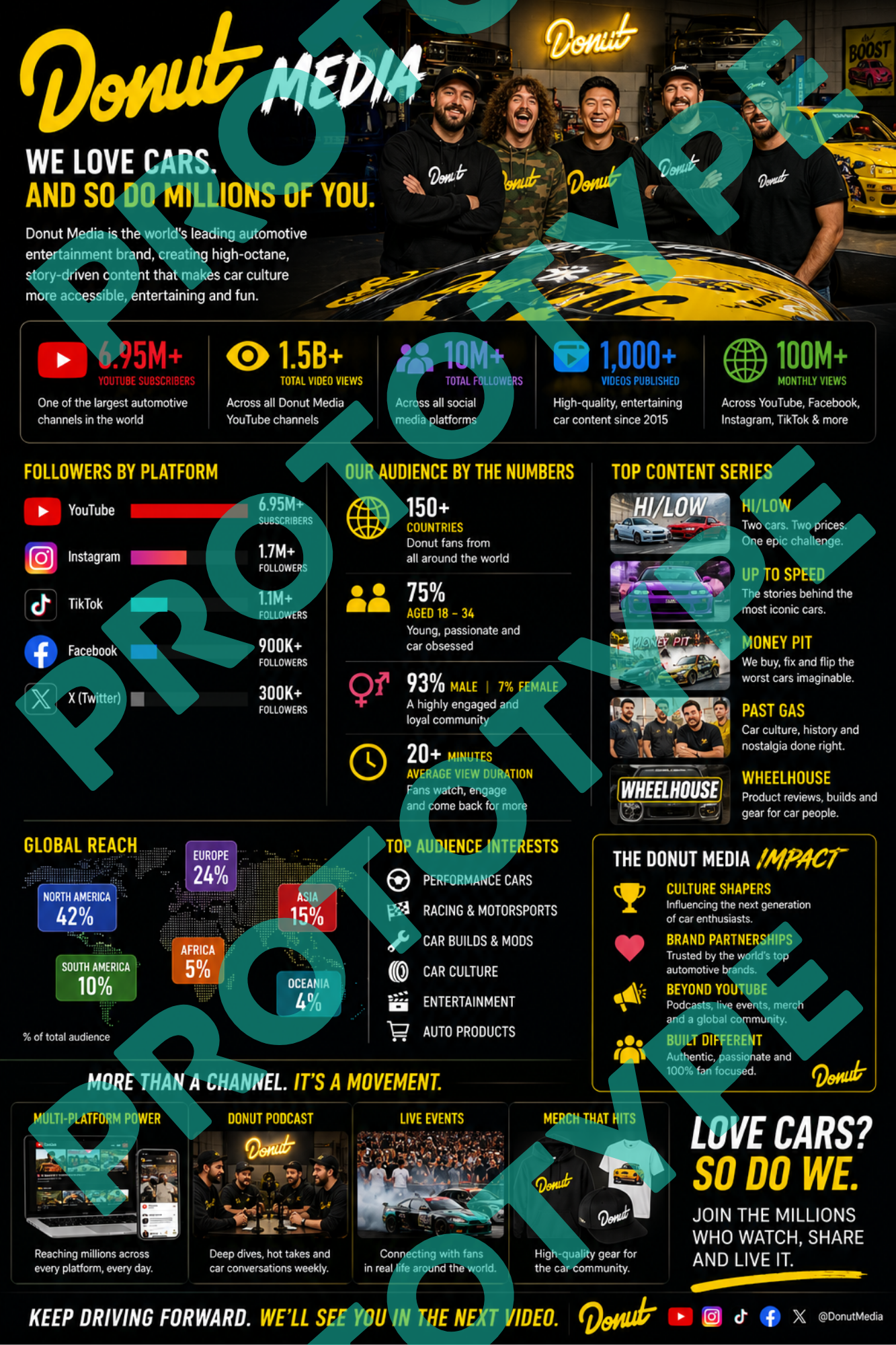
I then created a promotional poster for Donut Media. It looked fantastic. Except many of the people featured weren't actually the Donut Media team.
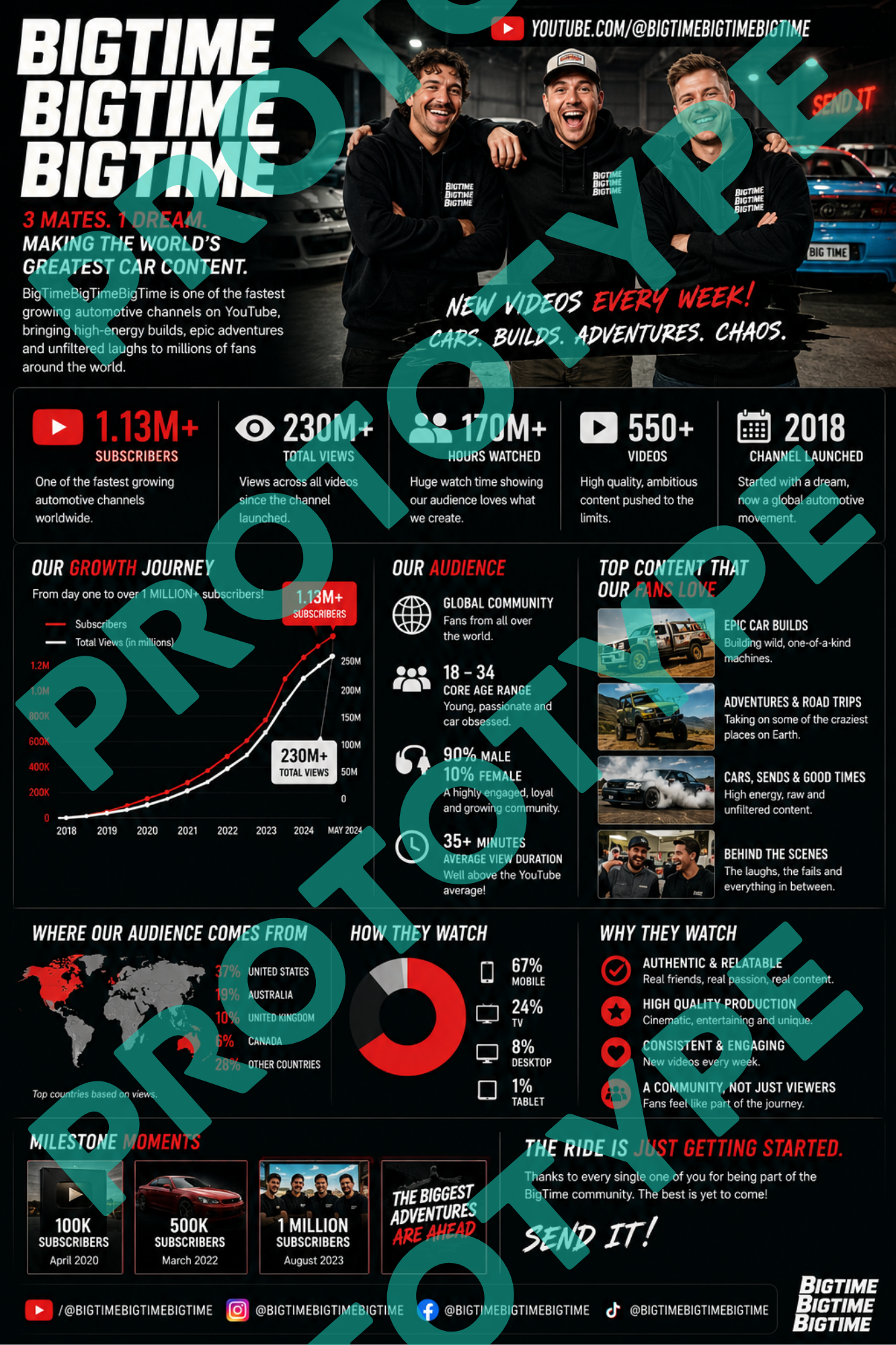
Next came a poster for BigTime. Again, visually impressive, but many of the audience statistics and milestones were simply invented.
To be fair to ChatGPT, these were generated as creative mock-ups. When I questioned the World Cup poster it immediately clarified that it was fictional. The problem wasn't the AI.
**"That poster is showing Argentina, with Messi lifting the trophy.
But that was a creative mock-up, not accurate: the 2026 World Cup winner has not been decided yet. The final is scheduled for 19 July 2026. - ChatGPT"**
The problem would have been me if I'd published it.
This is where I think many people misunderstand AI. It isn't an all-knowing source of truth. It's an incredibly capable first draft machine. It predicts what should come next based on patterns it has learned. Most of the time that produces something useful. Sometimes it produces something that looks completely believable while being fundamentally wrong.
That's dangerous because humans naturally trust polished work.
A professional-looking infographic, a beautiful advertisement or an authoritative report carries an assumption of accuracy. AI knows how these things should look long before it knows whether the facts behind them are correct.
This is how misinformation can spread without malicious intent. Nobody is trying to create fake news. Someone simply copies the first result because it looks finished.
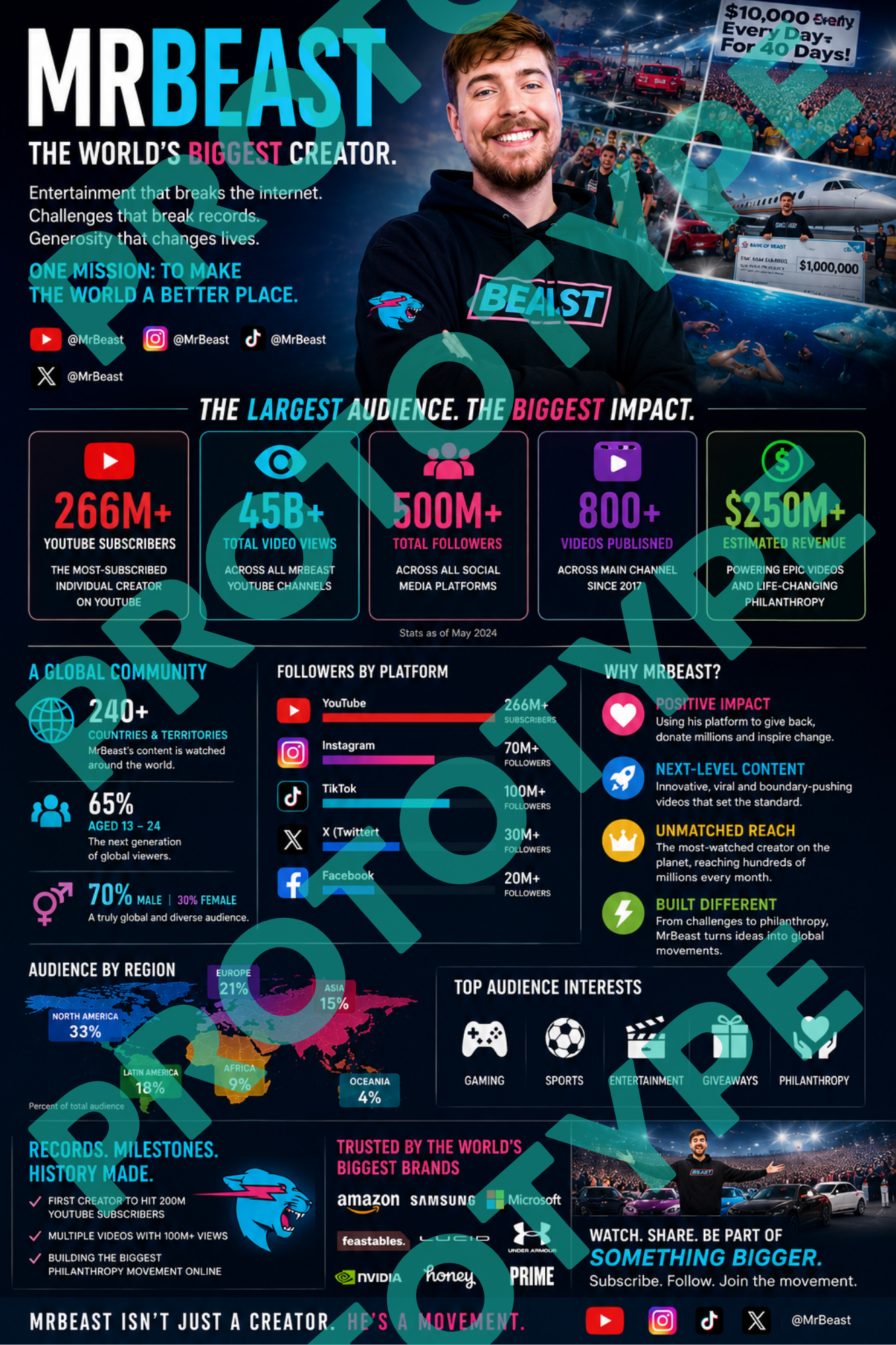
But there's another risk...
The images are incredible, but they also all start to look the same.
After generating dozens of posters, I noticed familiar layouts, similar colour palettes, oversized typography, dramatic lighting, floating statistics and the same glossy, high-contrast aesthetic. They're impressive—but they're also becoming recognisable as "AI."
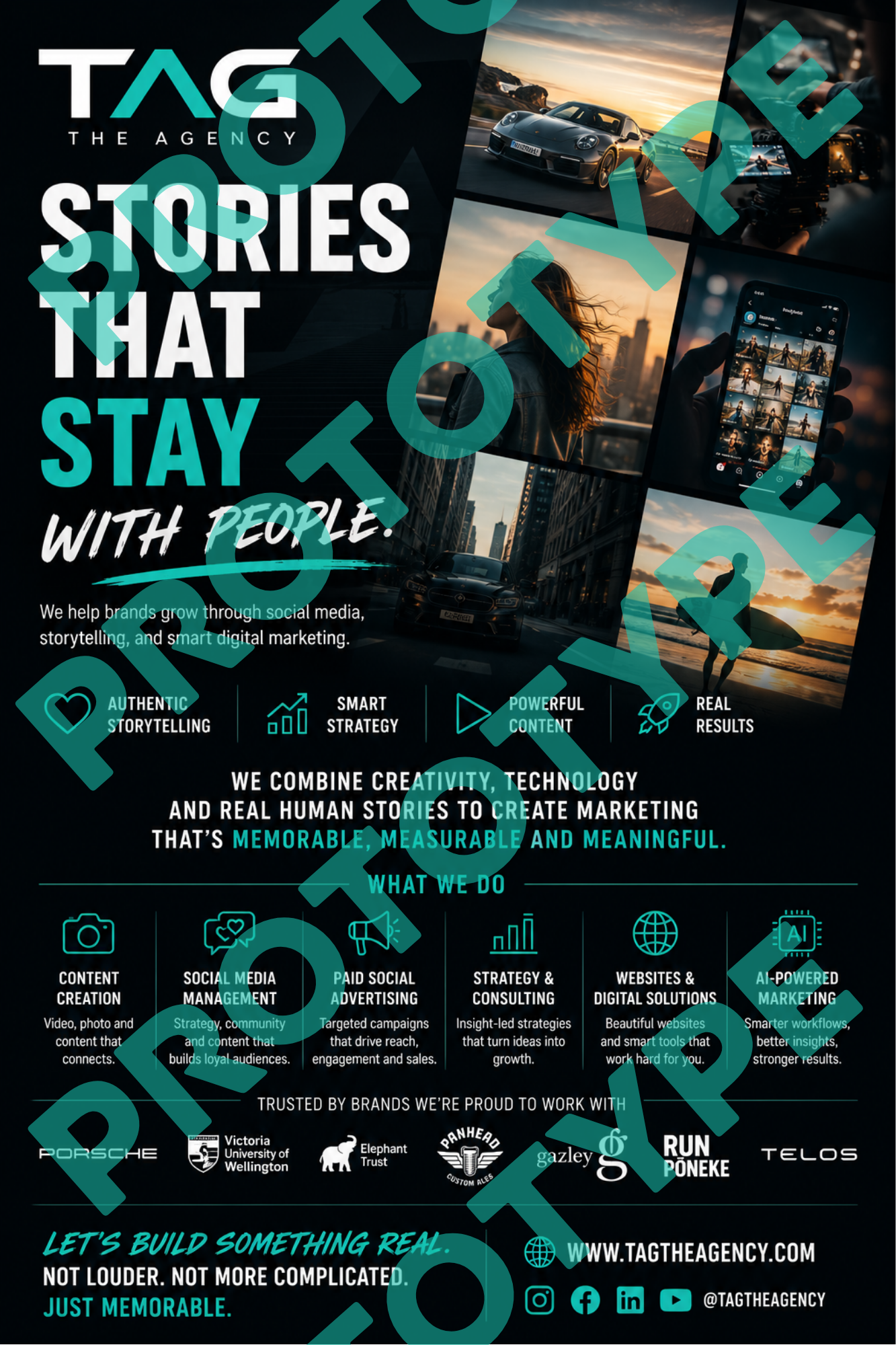
If every brand uses AI without adding its own creative direction, we're at risk of creating a world where everything looks remarkably similar. The technology is converging on patterns that it knows people respond to, but great brands have never been built by looking like everyone else.
Ironically, AI gives us the perfect starting point, not the finished product.
Use it to explore ideas. Generate concepts. Experiment with layouts. Then make it yours. Change the typography. Rearrange the composition. Rewrite the messaging. Introduce your own photography, illustrations or brand personality. Give people something they couldn't have generated with the same prompt.
The irony is that AI also gives us enough time to verify.
If AI can create a poster in 30 seconds instead of three hours, spend five of those saved minutes checking the facts. Visit the official website. Confirm the statistics. Check the names, faces, logos and dates. Make sure the people in the image are actually the people they claim to be.
This isn't about distrusting AI.
It's about using it properly.
The best results come when AI is treated like a talented junior designer, copywriter or researcher. It can move incredibly fast, generate ideas, produce layouts and eliminate repetitive work. But before anything reaches a client or the public, someone still needs to review it, challenge it and add the creative thinking that makes the work distinctive.
Critical thinking hasn't become less valuable because of AI.
It's become more valuable.
Ironically, AI gives us more time to think than ever before. We should use that time to ask better questions, verify the details, refine the creative and improve the work instead of rushing to publish the first draft.
The future won't belong to the people who use AI the fastest.
It will belong to the people who know when to stop, check, question and create something uniquely their own.
AI deserves that chance. It can produce extraordinary work. But extraordinary work comes from combining AI's speed with human judgement, creativity and attention to detail.
Don't let AI replace your thinking.
Let it amplify it.