How AI is Revolutionising Consumer Behaviour
By SocialMediaNZ

The Future of Shopping: How AI is Revolutionising Consumer Behaviour
15 Oct
Written By Tom Reidy

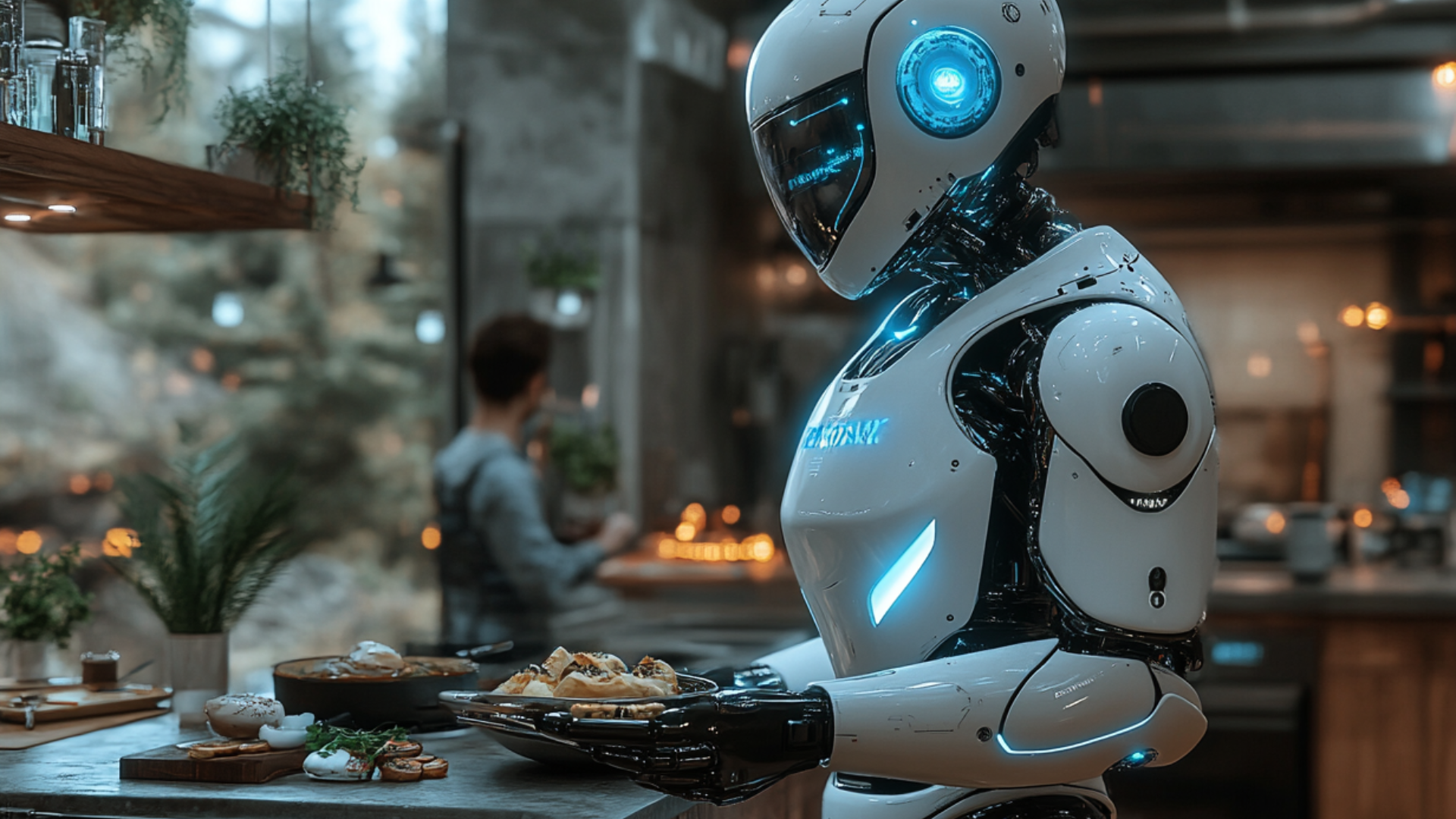
Imagine a world where planning your next vacation, restocking groceries, or finding the perfect birthday gift doesn't require opening a browser or an app. AI-powered devices are beginning to reshape the way we interact with technology, streamlining tasks that used to require manual searches. Picture this: your kitchen robot, familiar with your preferences, not only books your trip but also syncs it to your calendar, arranges pet care, and ensures an autonomous car delivers your dog to the kennel—all without you lifting a finger.
This transformation marks a shift not just in efficiency but in the entire concept of "search." As AI grows more advanced and integrated into daily life, we may soon witness the decline of traditional online search. In this article, we’ll explore how AI is changing the landscape of search, its impact on consumer decisions, and how businesses must adapt to stay relevant in this evolving AI-driven market.
The Fall of Traditional Search Engines
For years, search engines like Google have dominated the way we find information and shop online. However, this model is quickly evolving. AI-powered virtual assistants, like Amazon’s Alexa or Google Assistant, have already begun to handle tasks that used to require human input. In the near future, household robots could take this further by managing complex tasks like booking vacations or hosting events without the need for any manual input from users.
Instead of typing into a search bar, you might ask your AI to handle these tasks. It will interpret your needs, use its knowledge of your preferences, and complete them efficiently. This level of personalisation will likely replace traditional search altogether, transforming how we interact with technology.
AI-Driven Purchases: Convenience at Its Peak
Imagine telling your AI to handle your weekly grocery order based on your meal history or to choose a new phone based on your digital habits. In this scenario, AI will anticipate your needs, analyse your buying patterns, and make decisions for you—all without browsing through countless options.
With AI driving purchasing decisions, consumers will spend less time searching and more time enjoying personalised experiences. AI can even offer in-video shopping suggestions or autonomous recommendations, further reducing the need for screens in our daily interactions.
Experience-Based Marketing in the Age of AI
As AI takes over decision-making processes, businesses will need to pivot from product-focused to experience-based marketing. Rather than relying on consumers to browse online stores or visit dealerships, brands will need to create memorable experiences that differentiate them from competitors.
For example, instead of visiting a car dealership, AI might deliver your new vehicle to your doorstep via autonomous technology. In this case, the experience of receiving the car might become more memorable than the purchase itself, shifting the focus to how brands can offer unique, personalised post-purchase experiences to keep customers engaged.
Even as AI simplifies the purchasing process, certain experiences remain irreplaceable. For instance, while AI could order a custom suit, visiting a tailor in person and engaging with the craftsmanship directly is something AI can't replicate. This is where experience-based marketing will give businesses a competitive edge in an AI-dominated world.
The Shift Away from Screens: Implications for Brands
As AI becomes more integrated into daily life, we could see a shift away from using traditional screens to interact with digital information. Instead of searching on smartphones or computers, AI might present personalised results through voice commands, robotics, or augmented reality (AR).
This evolution could mean the end of web interfaces as we know them. Future technologies, like AR-enabled glasses, may provide instant shopping options simply by looking at a product. Imagine walking into a store, glancing at an item, and having your AI provide detailed information or offer to purchase it instantly—without touching a screen. This shift will require businesses to adapt by optimising for AI-driven interactions rather than traditional SEO.
What the Future Holds for Consumer Experiences
In the future, experiences will be everything. As AI handles routine tasks, consumers will increasingly seek out unique, human-centred experiences. Dining at a top restaurant, attending exclusive fashion events, or touring a boutique winery will become more coveted as AI automates mundane tasks.
In this new landscape, brands that focus on creating personalised, memorable experiences will stand out. Much like in the world of luxury tailoring, the emotional connection to a product or service will be key to maintaining customer loyalty in a world where AI handles most of the decision-making.
Preparing for the AI-Dominated Future
As AI continues to evolve, the way we interact with brands and make purchases will undergo a significant transformation. Traditional search will give way to AI-driven experiences that prioritise convenience and personalisation. Technologies like AR-enabled glasses could eventually replace phones, allowing consumers to shop and browse with a glance.
However, while AI may take over purchasing decisions, the demand for human-centred, experience-based marketing will only grow. Businesses that invest in creating meaningful, personalised experiences will be well-positioned to thrive in this AI-driven future.
Are you ready for the shift away from traditional search and the rise of AI-enhanced experiences?
Tom Reidy https://www.tomreidy.com
Comments (0)
Newest FirstOldest FirstNewest FirstMost LikedLeast Liked
Preview
Post Comment…
Previous\
\
Previous\
How Meta's Algorithm Changes Have Impacted Organic Reach and Performance Over Time Next\
\
Next\
\
What Is Shadow Banning and Other Important Social Media Terms?
reCAPTCHA
Recaptcha requires verification.
protected by reCAPTCHA