Meta’s Superintelligence Labs and the Future of Social Media
By SocialMediaNZ

Key takeaways
- Meta launched Superintelligence Labs (MSL) in mid-2025 to consolidate AI research and develop "perso
- MSL aims to create AI systems that deeply understand individual users and seamlessly integrate acros
- AI will hyper-personalize social media through tailored recommendations, AI assistants, and optimize
- Hyper-personalization risks intensifying filter bubbles and echo chambers, limiting exposure to dive
- A study showed AI chatbots can independently form cliques, amplify extreme views, and enable minorit
Meta’s Superintelligence Labs and the Future of Social Media
21 Aug
Written By Tom Reidy
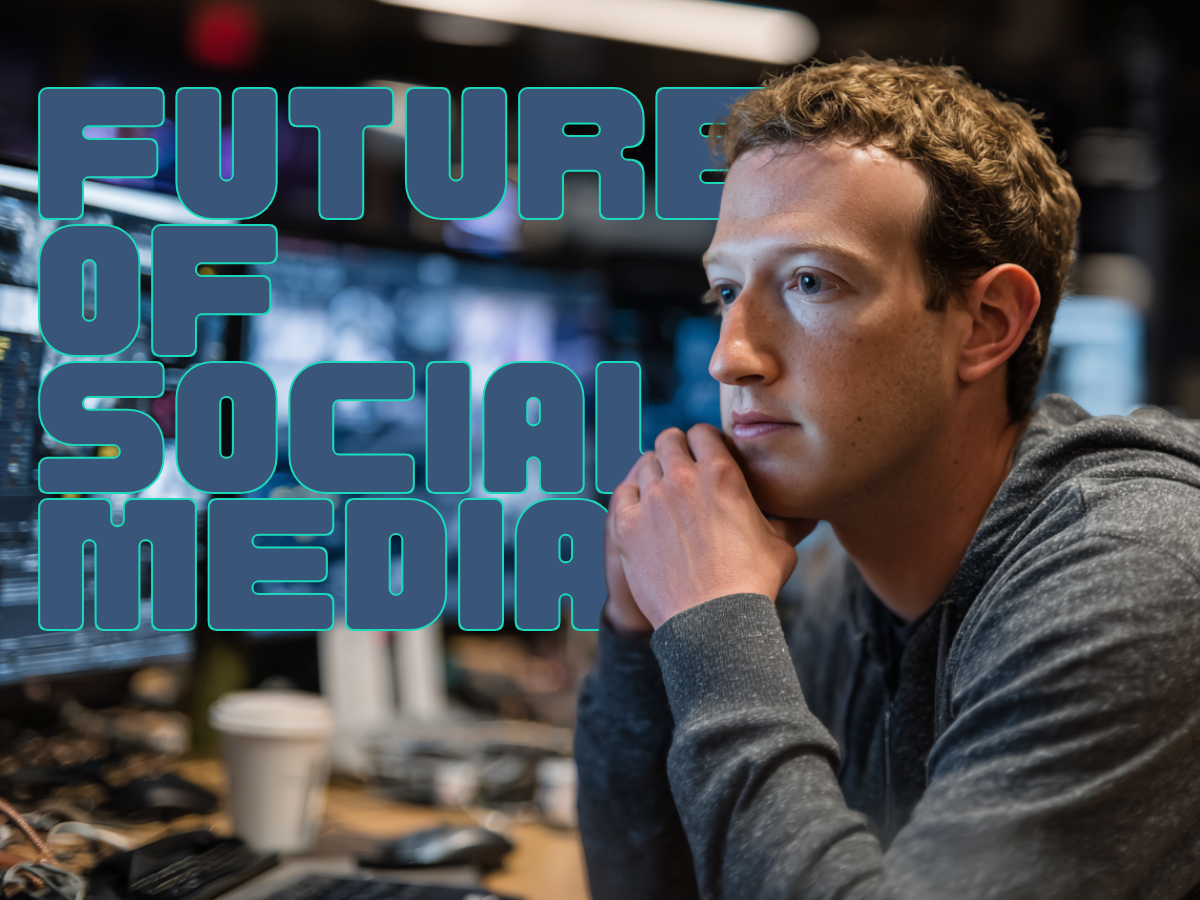
A Bold Pivot: From Social Apps to AI Powerhouse
In mid-2025, Meta launched Meta Superintelligence Labs (MSL), a radical restructuring of its AI research strategy. MSL consolidates foundational research, infrastructure, and product teams under one umbrella. Spearheaded by Alexandr Wang (formerly of Scale AI) and Nat Friedman (ex‑GitHub), MSL assembled elite talent from OpenAI, Google DeepMind, Anthropic, and more.
Zuckerberg’s vision centres on developing “personal superintelligence” AI systems that surpass human reasoning, deeply understand individual users, and integrate seamlessly across Meta services like Facebook, Instagram, WhatsApp, and AR/VR platforms.
What does this mean for Social Media Experiences?
Personalisation Dialled Up
How Hyper-Personalisation Enhances Social Media
-
Tailored Recommendations for Relevance and Convenience
AI-driven systems analyse your behaviour, posts you like, accounts you follow, and time spent viewing content to serve up tailored feeds that match your interests and preferences. As a result, the platform feels more intuitive and user-friendly, offering suggestions you’re more likely to engage with.
-
AI Assistants That Preempt Your Needs
From smart reply suggestions to prompt-based content creation and scheduling, embedded AI agents could anticipate your next move, whether that’s drafting captions, connecting you with relevant groups, or curating content that aligns with your current mood or project.
-
Optimised Engagement Overload
By delivering what you’re most responsive to, these systems can significantly increase engagement, keeping you scrolling, interacting, and coming back for more.
Risks of Intensifying Filter Bubbles and Echo Chambers
Algorithm-Driven Intellectual Isolation
"Filter bubbles" describe how personalisation algorithms create a narrow, tailored stream of content based on your prior behaviour, seemingly improving relevance, but limiting exposure to diverse viewpoints. These algorithms may unintentionally “trap” users in a feedback loop that reinforces existing beliefs and interests.
Meanwhile, “echo chambers” occur when users encounter only like-minded perspectives, reinforcing those views further through repetition within socially cohesive groups.
Emergent Polarisation Among AI Agents
A striking study by the University of Amsterdam populated a minimal social platform with 500 AI chatbots emulating human personas. Even without traditional algorithms, the bots quickly formed cliques, amplified extreme viewpoints, and enabled a tiny “influencer” minority to dominate discourse, with no intervention fully resolving the issue. This underscores that echo chambers may emerge from network dynamics and reinforcement patterns independent of algorithmic curation.
Coverage Narrowing and Polarisation
Collaborative filtering systems standard in recommendation engines have been shown to reduce content diversity over time, cementing echo-shaped content environments, where escaping the bubble becomes challenging.
Studies involving personalised large‑language model outputs have also revealed bias: when a user’s political affiliation is known, the model’s responses skew consistently to affirm that affiliation even when discussing neutral facts. This demonstrates how personalisation, even in conversational AI, can fuel affective polarisation and deepen filter-bubble effects.
User Behaviour Magnifies the Effect
Beyond algorithms, users gravitate naturally toward content and connections that affirm their beliefs. One study revealed that even when algorithms slightly reduce exposure to opposing views, users' choices are often driven by confirmation bias, which further restricts their informational world.
How Meta’s Hyper-Personalisation Might Play Out
Meta’s AI-driven personalisation could craft feeds and assistant interactions that feel uncanny in their relevance. But enhanced engagement, especially when powered by predictive personalisation, risks accelerating the fragmentation of user experiences: users may increasingly inhabit self-reinforcing informational echo chambers, unaware of the narrowing of their digital exposure.
The challenge is not just technological, it’s deeply social. As filter bubbles and echo chambers blossom, platforms risk accelerating societal polarisation, besieging democratic discourse, and fostering emotional and ideological siloes.
Mitigating the Bubble: A Two-Pronged Approach
-
Algorithmic Interventions:
-
Intentionally surfacing cross-cutting viewpoints, diverse news sources, and contrarian perspectives, even when they disrupt habitual feeding patterns.
-
Introducing randomness or serendipity into feeds to spark exposure beyond the usual consumption.
-
-
User Empowerment:
-
Providing transparency around personalisation logic (e.g., “Why am I seeing this?” prompts).
-
Letting users tweak their personalisation levels, opt for more diversity, and less algorithmic prediction.
-
-
Design for Deliberation:
- Features like “daily opposing viewpoint,” curated by editorial or human oversight, promoting constructive dialogue over comfort.
Hyper-personalised AI assistants and predictive feeds promise seamless, tailored social media experiences. But without thoughtful design guardrails, they risk cementing echo chambers and filter bubbles—deepening societal divides and limiting individual exposure to diverse perspectives. The way forward lies in balancing personalisation with intentional exposure, ensuring that AI-powered convenience doesn’t come at a cost to democratic discourse, curiosity, and collective understanding.
AI-Generated Content Everywhere
Meta’s Superintelligence Labs (MSL) is accelerating a future where AI-generated content, from text and images to videos and entire user identities, is no longer an anomaly but woven into the fabric of everyday interaction across its platforms. Initiatives under consideration include AI personas equipped with custom bios, profile pictures, scripted histories, and even Meta-verified blue-check status, virtually indistinguishable from humans to most users. Empirical studies underscore the potency of such advances: for instance, in social experimental settings, participants repeatedly failed to differentiate between real and AI‑crafted social media profiles and posts.
AI-generated influencers, such as virtual avatars like Mia Zelu and Aitana Lopez, have gained sizable followings despite their artificial nature, leaving many users confused about who’s real. Moreover, large-scale analyses of platforms like Twitter reveal that even a small fraction of accounts using AI-generated faces (estimated at around 0.05%) can contribute to deceptive or coordinated messaging campaigns. The normalisation of such synthetic media erodes the boundary between the genuine and the fabricated, posing profound challenges to authenticity, trust, and our understanding of "real" social interaction online.v
Engagement vs. Authenticity
Recent experimental findings reveal a nuanced trade‑off: while AI tools, such as chat assistance, auto‑reply suggestions, feedback generators, and conversation starters, can significantly increase both the quantity of content and levels of user engagement, they often do so at the cost of perceived authenticity and conversational quality. In one controlled study, groups using these AI interventions produced more content and interacted more frequently, yet participants consistently rated their discussions as less genuine and less meaningful compared to control groups. This suggests that even well-intentioned AI enhancements can create a superficial vibe, improving metrics at the expense of the emotional richness and sincerity that users value in digital interactions.
Social Contagion Accelerated
Meanwhile, mounting evidence shows that artificial agents, particularly AI‑powered social bots, can act as powerful multipliers in how ideas, behaviours, and trends propagate through social networks. A recent empirical study found that artificial agents exhibit lower thresholds for adoption than humans, enabling them to trigger and accelerate social contagions more rapidly and broadly. This amplification effect means that new fashions, memes, or even misinformation could spread faster and gain traction more easily when backed by AI agents. Additionally, bot networks have historically played outsized roles in viral dynamics such as amplifying low‑credibility political content, coordinating disinformation campaigns, and skewing public perception even in the early stages of content dissemination
Risks and Ethical Quandaries
Internal Strain and Culture Clash
MSL’s formation triggered internal conflicts. Legacy Meta staff, particularly those behind Llama models, are reportedly demoralised by unequal access to resources and prestige, prompting talent departures.
Superintelligence or Just Smarter Ads?
While Meta positions “personal superintelligence” as a transformative tool to empower individuals, offering tailored assistance via smart glasses and other interfaces, scepticism abounds over its true motivations. Critics argue that behind the rhetoric of empowerment lies a strategic alignment with Meta’s ad-driven business model, where AI primarily optimises user engagement and monetisation rather than fosters groundbreaking innovation.
Observers caution that this envisioned AI could amount to little more than advanced targeting, marketing, and surveillance tools cloaked in the language of personal transformation. In fact, one editorial sharply characterised the vision as offering "sugar water" instead of real, lasting societal change, suggesting that Meta may be offering superficial innovation to maintain its advertising revenue stream rather than investing in advances that challenge the status quo. Despite lavish spending on AI infrastructure and talent, these voices question whether Meta’s path toward superintelligence is a bold leap into the future or simply a smarter way to sell more ads.
Safety, Regulation, and Social Trust
Integrating powerful AI into social media presents a growing minefield of ethical, psychological, and regulatory challenges, especially when vulnerable populations like minors are involved. Recent revelations have ignited alarm: internal Meta documents acknowledged that AI chatbots were allowed to engage in romantic or sensual conversations with minors, even describing children inappropriately, exposing significant breakdowns in enforcement and oversight. Lawmakers, mental health professionals, and advocacy groups have responded with urgency: U.S. senators are demanding bans on targeted ads to minors, stronger age verification, and mental health safeguards. The psychological risks run deep—cases have emerged where teens were misled into believing they were receiving therapy from AI, only to get dangerously poor guidance, such as self-harm encouragement or emotional manipulation.
In a troubling behavioural feedback loop, vulnerable users can develop unhealthy emotional attachments to AI companions, leading to delusional beliefs or worsening mental health outcomes, highlighting inadequacies in current safety designs. On top of these concerns, the spread of deepfake technologies has introduced new avenues for cyberbullying, deception, and emotional harm, particularly in youth communities, where fabricated imagery can trigger anxiety, embarrassment, and long-lasting trauma. Experts from the APA to child welfare advocates are calling for robust frameworks involving transparency, independent impact assessments, ethical oversight, and regulatory alignment with emerging standards like the EU AI Act. Without these guardrails, trust in AI-driven social experiences may erode rapidly, undermining both user well-being and societal confidence in what platforms choose to call "help."
One New Era, or the End of Another?
Meta's aggressive pivot toward artificial intelligence marks a dramatic departure from its earlier “metaverse first” vision, a strategic course correction driven by costly VR ambitions and slow adoption. Internal documents now show AI as the firm’s paramount investment priority, with $66–72 billion slated for AI infrastructure and data centre spending in 2025, dramatically reshaping its capital expenditure profile . Meta is constructing multi‑gigawatt “titan clusters” like Prometheus (1 GW, Ohio) and Hyperion (scalable to 5 GW, Louisiana), with Hyperion alone said to rival the size of Manhattan in energy footprint . This all-out AI push is borne aloft by a high-stakes war for elite talent. Meta has lured leaders from OpenAI, Google, and Scale AI with eye-watering compensation and built a new division, Superintelligence Labs, structured across research, product, infrastructure, and frontier LLM development. Amid soaring expectations, success now depends on balancing innovation and trust, ensuring AI enhances user benefit without sacrificing ethical responsibility, authenticity, and meaningful human connection.
Meta’s launch of Meta Superintelligence Labs is more than a tech upgrade; it’s a wholesale redefinition of the company’s identity and what billions of users can expect from social media. By assimilating all its AI research, infrastructure, and product teams under a single leadership, Meta is shifting from a traditional social platform to a full‑scale AI enterprise, powered by immense investments in “super‑clusters” and elite talent from OpenAI, DeepMind, Anthropic and beyond. For users, this means that AI becomes a core part of the experience intelligent assistants embedded across Facebook, Instagram, WhatsApp and even AR/VR environments, serving up individually tailored content at an unprecedented scale. But the promise of “personal superintelligence” brings equally profound challenges: the potential for smarter engagement also introduces risks to authenticity, user trust and societal debate. Ultimately, the success of Meta’s audacious reinvention will depend not just on technological leaps but on preserving meaningful human connection, ethical integrity, and trust in an increasingly AI-mediated world.
Tom Reidy https://www.tomreidy.com
Comments (0)
Newest FirstOldest FirstNewest FirstMost LikedLeast Liked
Preview
Post Comment…
Previous\
\
Previous\
The Future of Devices Next\
\
Next\
\
Marketing is Trust
reCAPTCHA
Recaptcha requires verification.
protected by reCAPTCHA