Why Authenticity in Advertising Is Evolving.
By SocialMediaNZ

Why Authenticity in Advertising Is Evolving.
12 Jun
Written By Tom Reidy
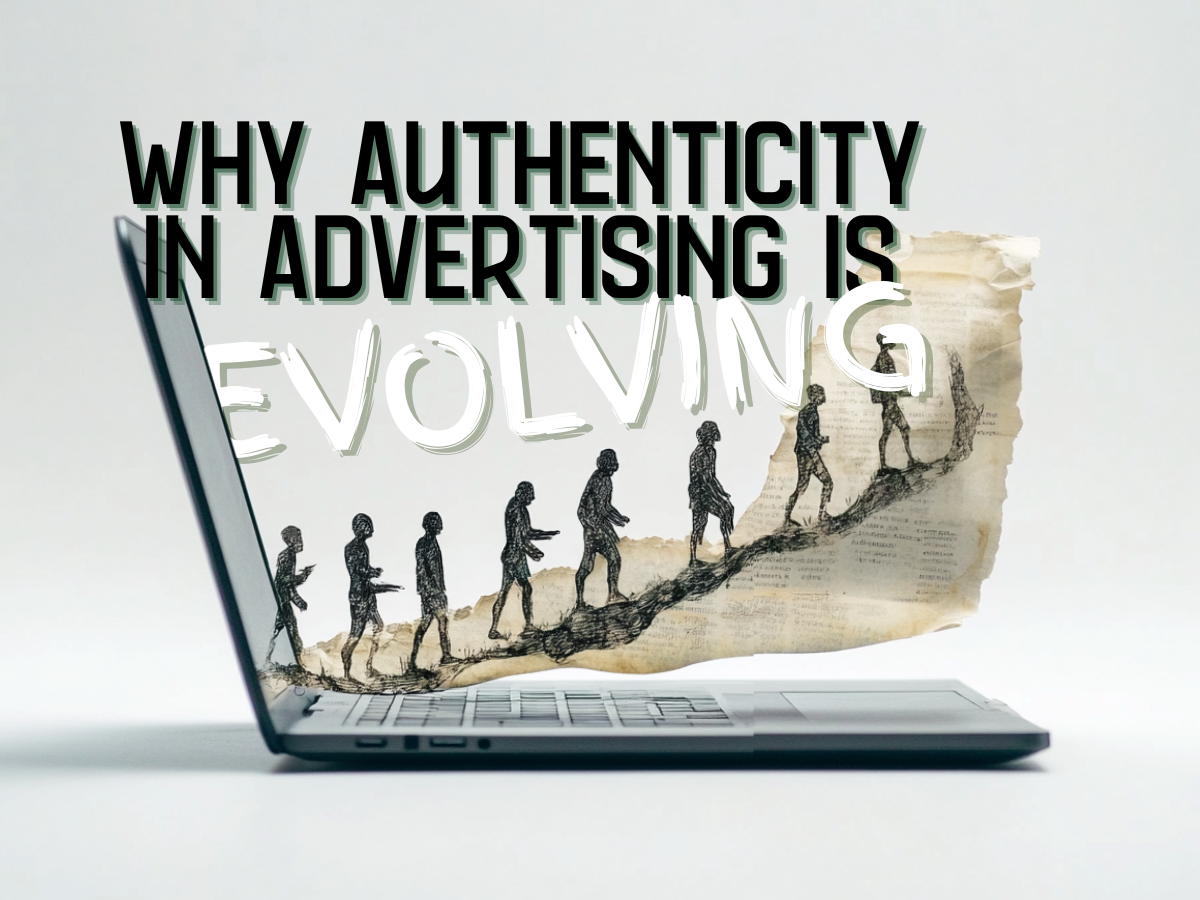
And Why AI Is Part of That Story
In a world where attention spans are short and content is abundant, authenticity in advertising has never been more important—or more misunderstood. It’s no longer just about using real people or showing real products. Instead, authenticity now lives in the story being told, the voice it’s told in, and how that message is delivered across platforms. And in 2025, that delivery will increasingly include AI.
Authenticity Beyond the Surface
The traditional markers of authenticity—unscripted faces, natural lighting, behind-the-scenes access—still have value. But surface-level authenticity isn’t enough. Real connection comes from content that is emotionally resonant, creatively distinct, and aligned with a brand's values. And this is where storytelling becomes key.
Storytelling is how we connect as humans. In marketing, it acts as a bridge between brands and audiences, building emotional trust and inspiring action. A well-crafted narrative can set a brand apart in a noisy feed—even if AI helped build it.
The Inevitable Rise of AI in Creative Advertising
Most new social media ad campaigns today feature some level of AI integration—whether it’s AI-assisted scripting, voice generation, image rendering, or content personalisation. And with tools like Sora, ElevenLabs, and Midjourney becoming more mainstream, we’re entering an age where ad creation can scale like never before.
But AI isn't a shortcut to creativity. Left unchecked, AI can produce content that feels hollow or overly polished. It can mimic emotion but not truly express it. This is where creatives and brand managers must step in: to understand the parameters of AI, then elevate the output with human insight, cultural nuance, and emotional intelligence.
AI Meets Authenticity: A Delicate Balance
Here’s how brands are doing it well:
-
Spotify Wrapped 2024 turned AI into entertainment, using data to humorously “roast” users based on their listening habits. The campaign was deeply personalised, genuinely funny, and massively shareable.
-
e.l.f. Cosmetics launched AI-generated TikTok videos that mirrored the format and tone of Gen Z creators, feeling native, not manufactured.
-
Nike used AI to deliver customised product recommendations, showing how data-driven personalisation can strengthen user trust and boost conversion.
-
Cerave’s Michael Cera Super Bowl campaign leaned into internet rumour culture, blending humour with strategy to create one of the most talked-about ads of the year.
These brands didn’t just use AI to cut costs or speed things up. They used it to amplify creative ideas—and wrapped that creativity in storytelling that felt real, human, and intentional.
Strategies for Authentic Advertising in the AI Era
If you're in charge of brand voice or creative direction, here’s how to get it right:
-
Humanise AI Content: Blend automation with real human stories and lived experiences.
-
Be Transparent: Don’t hide AI’s role in the process—own it, and make it part of the brand voice.
-
Keep the Narrative Consistent: Whether AI- or human-created, all content should align with your core brand values.
-
Elevate User-Generated Content: Amplify real voices. Nothing beats the authenticity of passionate customers sharing your story.
The New Skillset for Creatives and Brand Managers
As artificial intelligence becomes a core component of modern advertising, the role of creatives and brand managers is rapidly evolving. The tools may be new, but the fundamentals—empathy, storytelling, tone, and brand alignment—remain as essential as ever. What’s changed is how we get there, and who (or what) we now collaborate with.
For Creatives: From Artist to AI-Conductor
Creatives are no longer just designers, writers, or videographers—they’re now becoming AI conductors, orchestrating the capabilities of generative tools to bring ideas to life at scale. This requires fluency in:
-
Prompting: Learning how to guide AI with clear, strategic inputs that result in valuable, original content. Prompts are the new brushstrokes.
-
Curation: Sifting through outputs to identify the ones that best serve the creative vision, campaign objectives, or emotional tone.
-
Editing and Refinement: Adding human touchpoints—emotion, cultural nuance, timing, humour, and rhythm—that AI still can’t authentically replicate.
-
Experimentation and Iteration: Using AI to explore dozens of creative angles quickly, then narrowing in on what works through testing and feedback.
Creatives who master these skills will gain superpowers—not just to create faster, but to create smarter and more responsively.
For Brand Managers: Becoming AI-Literate Strategists
Brand managers don’t need to become coders, but they do need to become AI-literate strategists—able to leverage these tools effectively while maintaining the brand's soul. This means developing:
-
Strategic Briefing: Understanding how to communicate goals, tone, and context to both human teams and AI systems.
-
Critical Evaluation: Being able to spot where AI-generated content misses the mark—whether it’s tone-deaf, off-brand, or lacks emotional resonance.
-
Tone Stewardship: Knowing how to inject personality, voice, and consistency into AI-assisted outputs so the brand always feels human, even when it’s machine-assisted.
-
Workflow Integration: Knowing when to use AI, when to rely on traditional creative, and how to bring the two together without compromising either.
AI doesn’t replace the brand strategist—it empowers them to think bigger, act faster, and personalise more deeply.
It's Not Humans vs. Machines—It’s Creative Partnership
The future of advertising isn’t about choosing between AI and traditional creativity—it’s about knowing how to blend them.
AI can generate. People interpret. AI can accelerate. People elevate. The best campaigns of the future will come from teams who understand how to work in partnership with AI, not in competition with it.
When creatives and brand managers embrace this new toolkit, they won’t just keep up—they’ll lead the way.🔚 Final Thought: Real Still Wins
AI can help you generate more. Faster. Smarter. But it can’t replace why you’re telling the story in the first place. Authenticity is not a tactic—it’s a trust strategy. And in an AI-powered future, real connection will matter more than ever.
Tom Reidy https://www.tomreidy.com
Comments (0)
Newest FirstOldest FirstNewest FirstMost LikedLeast Liked
Preview
Post Comment…
Previous\
\
Previous\
The Era of Humanless Search Next\
\
Next\
\
How to Launch a Business Using Just Social Media and Guerrilla Marketing
reCAPTCHA
Recaptcha requires verification.
protected by reCAPTCHA