Daddy Chill, AI isn't coming for your job. It's levelling you up.
By Tom Reidy
Key takeaways
- AI raises skill standards, not replaces jobs
- Human qualities like trust & creativity are key
- Experience remains invaluable in the AI era
- AI is a tool, not a substitute for judgment
- Focus on critical thinking & problem-solving
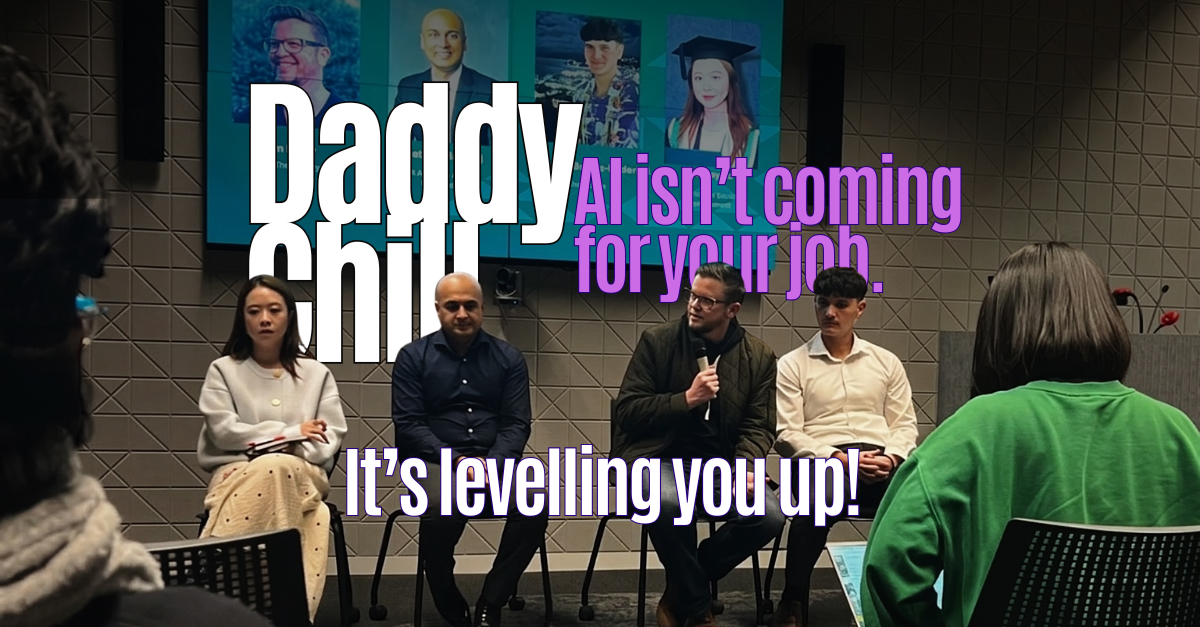
Last night I had the privilege of sitting on a panel at Victoria University, talking with students about AI and the future of work.
Predictably, one question kept coming up. "Will AI take our jobs?"
It's a fair question. Every second LinkedIn post seems convinced we're all about to be replaced by software. If you're about to graduate, that can be a pretty daunting thought.
My answer surprised a few people. I don't think AI is coming for your job. I think it's coming for the boring bits. And in doing so, it will raise the standard for all of us.
Here's why.
This isn't the first technological leap we've lived through. Remember when smartphones arrived? Suddenly everyone had a high-quality camera in their pocket. Then Instagram came along and, overnight, everyone became a photographer.
Did photography disappear? Not even close.
What happened was something much more interesting. Photography became more accessible. More people discovered they loved it. Millions of people started experimenting, learning and sharing their work. The average quality of everyday photography skyrocketed.
And professional photographers? They didn't disappear. They lifted their game. They became more creative. They found new ways to stand out. They inspired millions of people while continuing to produce work that amateurs simply couldn't.
I think AI follows exactly the same path.
For years, if I wanted the cheapest website possible, I could have outsourced it through Fiverr. If I wanted inexpensive video production, platforms like 90 Seconds have existed for years. Cheap labour has never been difficult to find. That has never been the value. The value has always been trust.
Clients don't come to TAG because we know how to generate an image or ask ChatGPT to write a paragraph. They come because they have a problem. Sometimes they don't even know what the real problem is. They want someone who can listen, challenge assumptions, connect the dots, see opportunities they haven't considered and ultimately solve the problem.
AI is becoming brilliant at helping us execute. But deciding what should be executed in the first place? That's a different skill entirely.
After more than 25 years in marketing and advertising, I've learned that clients aren't buying software.
They're buying confidence, judgement and trust.
They're buying someone who has made mistakes before (if you know, you know), learned from them, and has too much invested in their own reputation to do a rubbish job. When something goes sideways, nobody wants an apology from an algorithm. They want someone who answers the phone.
Take accounting as an example. AI agents inside platforms like Xero may soon automate much of the bookkeeping, reporting and compliance work that once took hours.
Will that reduce repetitive tasks? Absolutely.
Will it eliminate accountants? I don’t think so.
When business owners face difficult decisions, complex tax issues or simply need confidence that they’re making the right call, they’ll still want an experienced professional sitting beside them. They’ll want judgement, reassurance and accountability.
The same applies across countless professions. People don’t just pay for outputs. They pay for confidence. They pay for someone who can think critically, make informed decisions, understand context and take responsibility when things don’t go to plan.
Ironically, I think AI makes these human qualities even more valuable.
As AI becomes available to everyone, the technology itself becomes less of a competitive advantage. The differentiator becomes the person using it.
That's progress. Not replacement.
And I think that's how AI will become part of everyday life. Eventually, we won't even talk about "using AI."
We'll just work.
So chill, just as nobody says, "I'm using electricity to write this email," or "I'm using the internet to join this meeting," AI will quietly disappear into the background. It won't be a special skill. It'll simply become part of how work gets done.
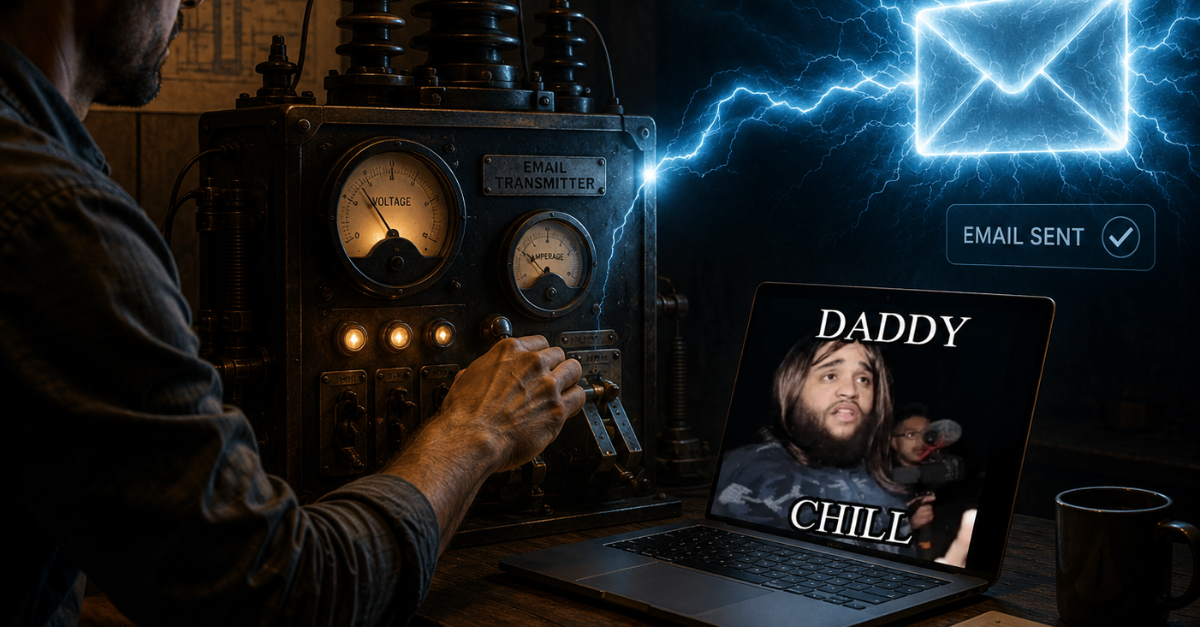
The real differentiator won't be who has access to AI. Everyone will.
The differentiator will be who asks better questions. Who has better ideas. Who can make people laugh. Who understands culture. Who earns trust. Who sees opportunities others miss.
Those aren't software features.
They're qualities people develop over years of experience, curiosity and genuine relationships.
So, to the students I met at Victoria University, I'd say this. Don't worry about competing against AI. Get excited about what AI allows you to become. It gives you more time to think. More time to create. More time to solve meaningful problems. More time to build relationships. More time to do the things that people have always valued most.
AI isn't lowering the value of people.
It's raising the bar.
And personally, I think that's a future worth getting excited about.